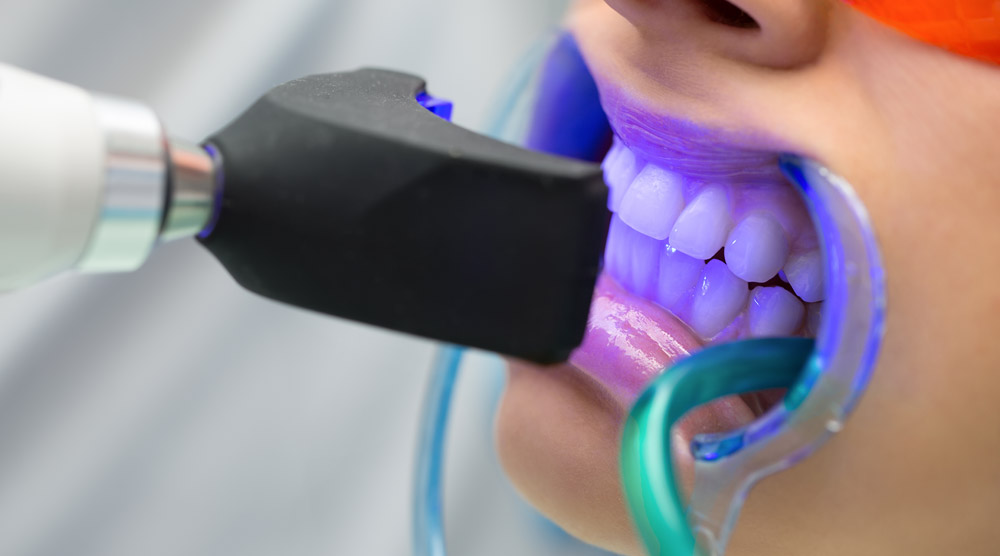


One of the most common questions before booking a dental appointment is: how long does a dental cleaning take? In general, a standard professional cleaning can take around 30–60 minutes, although the actual duration varies from person to person.
The amount of tartar present, the condition of the gums, how long it has been since the last cleaning, and whether treatment is needed below the gum line are some of the factors that can affect the length of the appointment.
For this reason, when someone asks “how long does it take to have your teeth cleaned?”, there is no single exact answer that applies to everyone.
How Long Does It Take to Have a Dental Cleaning?
A routine dental cleaning can generally be completed in less than an hour.
This time may include not only the removal of plaque and tartar, but also an assessment of the condition of the mouth and the final polishing of the teeth.
If tartar buildup is limited and the gums are healthy, the treatment may be relatively quick.
On the other hand, when there are heavier deposits or gum problems, the dental professional may need to work more carefully and for a longer period of time.
How Is a Professional Dental Cleaning Performed?
Professional dental cleaning, often referred to as scaling or tartar removal, is mainly used to remove plaque and tartar deposits that cannot be completely eliminated with normal toothbrushing.
The procedure can be divided into several stages.
Examination of the Mouth
Before starting the cleaning, the teeth and gums may be assessed.
This stage helps identify areas that require greater attention, tartar buildup, gum bleeding, or other issues that may require a more detailed dental evaluation.
Removal of Plaque and Tartar
The main stage involves removing deposits from the surfaces of the teeth and around the gum line.
Manual instruments or specific dental devices may be used to remove tartar without damaging the tooth.
Unlike normal plaque, tartar cannot be effectively removed with a toothbrush once it has hardened. Professional cleaning therefore makes it possible to reach areas that daily oral hygiene cannot fully clean.
Polishing the Teeth
After tartar removal, the tooth surfaces may be polished.
During this stage, a rotating instrument with a special polishing paste is generally used. The aim is to smooth the tooth surface and remove some superficial deposits that may remain after scaling.
Why Do Some Dental Cleanings Take Longer?
Seeing one person leave the dental office after twenty minutes and another after an hour does not necessarily mean that one of them received better treatment.
The duration mainly depends on the condition of the mouth at the beginning of the appointment.
Amount of Tartar
If professional cleaning has not been performed for a long time, more tartar may have accumulated.
The more deposits there are, the longer it may take to remove them thoroughly.
Condition of the Gums
Inflamed gums, bleeding, or periodontal pockets may require a different approach compared with a standard professional cleaning.
When treatment is needed deeper below the gum line, a procedure known as scaling and root planing may be required. This is used in the treatment of gum disease and is different from a routine cleaning because it involves removing deposits from below the gums.
Time Since the Last Cleaning
People who attend regular check-ups and professional cleaning appointments may have relatively little tartar buildup.
If several years have passed since the last cleaning, the appointment may take longer or, in some situations, may need to be divided into more than one session.
Dental Sensitivity
Some people have particularly sensitive teeth or gums.
In these cases, the dental professional may work more slowly in order to make the treatment more comfortable.
How Long Does a Deep Dental Cleaning Take?
A deep dental cleaning should not be confused with a routine professional cleaning.
When periodontal problems are present, scaling and root planing may be necessary to remove plaque and tartar from below the gum line.
In this case, treatment may take around one to two hours and, depending on the situation, may be divided into several appointments, with different areas of the mouth treated separately.
Therefore, if a dentist recommends a much longer session than a standard cleaning, it may be because a different procedure is required for a specific gum condition.
Does a Dental Cleaning Hurt?
During a routine dental cleaning, many people mainly feel pressure, vibration, or mild sensitivity.
However, the level of discomfort depends on individual conditions.
People with heavy tartar buildup, inflamed gums, or sensitive teeth may feel certain stages of the procedure more strongly.
After cleaning, the teeth may temporarily feel more sensitive or the gums may feel slightly sore. These symptoms generally decrease within the following days.
If you already know that you experience significant sensitivity during dental procedures, it is useful to mention this before the cleaning begins.
How Long Does Sensitivity Last After a Dental Cleaning?
Mild sensitivity after scaling may occur, especially when there were significant tartar deposits or when the gums were already inflamed.
The sensation may be more noticeable with very cold or hot foods and drinks.
In most cases, this discomfort is temporary. However, if pain, swelling, or sensitivity becomes severe or continues for a long time, it is advisable to contact the dentist for an assessment.
How Often Should You Have a Dental Cleaning?
It is often said that professional dental cleaning should be done exactly every six months. In reality, the ideal frequency should be personalised.
Some people may benefit from more frequent check-ups and cleanings, especially if they build up tartar quickly or have a higher risk of gum problems.
For other people, longer intervals may be appropriate.
The frequency should therefore be determined according to the health of the teeth and gums and the individual risk level rather than automatically following the same schedule for everyone.
Does Dental Cleaning Whiten the Teeth?
Professional cleaning and teeth whitening are two different treatments.
Dental cleaning removes plaque, tartar, and some superficial stains. As a result, the teeth may appear cleaner and, in some cases, visually brighter after treatment.
However, this does not mean that scaling changes the natural colour of the teeth in the same way as a whitening treatment.
If the main goal is to change the shade of the teeth, a separate assessment is needed to determine whether teeth whitening is suitable.
What Should You Do After a Dental Cleaning?
A professional cleaning does not replace daily oral care.
To help reduce plaque buildup again, it is important to continue brushing the teeth regularly and cleaning between the teeth.
Brushing twice a day with fluoride toothpaste and cleaning between the teeth every day are important parts of maintaining oral hygiene.
The timing of future professional cleaning appointments should be decided according to individual needs.
Dental Cleaning During a Dental Treatment Journey in Turkey
People travelling to Turkey for treatments such as veneers, crowns, or dental implants may wonder whether professional dental cleaning is also necessary.
The answer depends on the condition of the mouth.
Before a more extensive dental treatment, it may be useful to assess the health of the teeth and gums and determine whether plaque and tartar removal should be included in the treatment plan.
However, this does not mean that every patient must follow the same protocol. Cleaning should be recommended when it is appropriate for the individual oral condition.
Frequently Asked Questions About How Long Dental Cleaning Takes
How Long Does a Dental Cleaning Usually Take?
A routine professional cleaning often takes around 30–60 minutes, although the duration can vary depending on the amount of tartar and the condition of the teeth and gums.
Can a Dental Cleaning Take Only 20 Minutes?
Yes. If there are only small amounts of buildup and the oral condition is simple, the procedure can be relatively short.
Why Does My Dental Cleaning Take an Hour?
It may depend on the amount of tartar, the need to work on several areas, sensitivity, or the condition of the gums. The duration alone does not determine the quality of the procedure.
How Long Does a Deep Dental Cleaning Take?
Scaling and root planing may take around one to two hours and may also be divided into several appointments.
Can You Eat After a Dental Cleaning?
The instructions may vary depending on what was done during the appointment and whether any additional products were applied. It is therefore best to follow the advice given by the dental professional at the end of the appointment.
Should Dental Cleaning Be Done Every Six Months?
Not necessarily. The ideal frequency depends on individual risk, gum health, tartar buildup, and the dentist’s recommendations.
So, when asking “how long does a dental cleaning take?”, the most realistic answer is that a routine session often takes less than an hour, but it may take longer when there is heavy tartar buildup or gum disease. Rather than focusing only on the number of minutes, it is more important for the procedure to be adapted to the actual condition of the mouth and supported by good daily oral hygiene.