
Dental veneers in Turkey have become one of the most searched options for people who want to improve the appearance of their smile and are considering dental treatment in Istanbul.
When looking at before-and-after photos on social media, the treatment may seem very simple: you start with teeth of a certain colour or shape and return home with a completely different smile. In reality, behind a harmonious result there is a dental assessment, material selection, tooth shape planning, and above all, a decision about which teeth actually need to be treated.
Veneers are not automatically suitable for everyone who wants whiter teeth. In some cases they may be an appropriate aesthetic solution, while in others whitening, orthodontic treatment, bonding, or a crown may be more suitable.
For this reason, before organising a trip to Turkey for dental veneers, it is important to understand what they are, how they are applied, and what their limitations are.
What Are Dental Veneers?
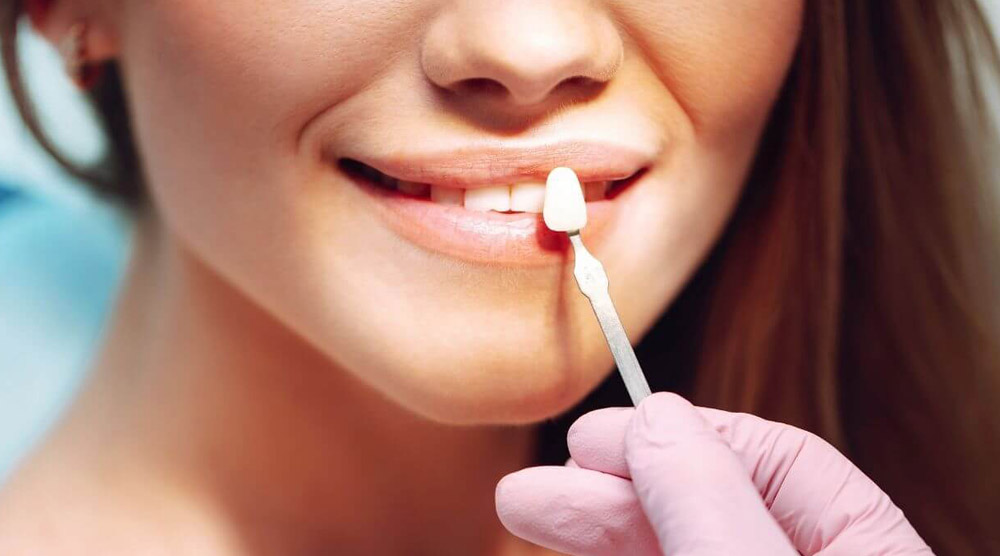
Dental veneers are thin, custom-made coverings applied to the front surface of the teeth.
Their main purpose is to change the appearance of the tooth without completely covering it as a crown does.
They can be used to correct or mask certain aesthetic concerns such as:
discoloured teeth;
small fractures;
irregular tooth shape;
unbalanced tooth size;
small gaps between teeth;
minor alignment differences;
smile asymmetry.
Veneers can be made from different materials. Common options include ceramic or porcelain veneers and composite veneers.
Medical sources describe veneers as thin coverings applied mainly to the front surface of the tooth; some require enamel reduction, while others may involve more limited preparation.
Why Choose Dental Veneers in Turkey?
People searching for dental veneers in Turkey are usually considering several factors at the same time.
One of the main factors is cost. Cosmetic dental treatments can have very different prices in Turkey compared with many European countries, especially when several teeth are involved.
However, price is not the only reason.
Istanbul is also chosen by international patients who want to organise several stages of treatment during a planned stay and receive an initial treatment plan before travelling.
When considering treatment abroad, however, it is especially important to understand exactly what is being proposed.
Patients should know whether the plan actually involves veneers or crowns, which material will be used, and whether the natural tooth structure will need to be modified.
Who Is Suitable for Dental Veneers?
Veneers are mainly used when the goal is to improve the appearance of the front teeth.
A suitable candidate should generally have stable oral health.
Before treatment, the teeth and gums are therefore evaluated.
If there are cavities, gum inflammation, or other active dental problems, these should be treated before proceeding with permanent cosmetic treatment.
The bite is also important.
For example, a person who strongly grinds their teeth may place greater forces on the veneers and may need specific planning or a protective night guard.
When Might Dental Veneers Not Be the Best Solution?
Veneers are not always the first choice.
If a tooth is severely damaged, has a large restoration, or has lost a significant amount of its structure, a different treatment may need to be considered.
Similarly, if the main problem is related to tooth position, orthodontic treatment may in some cases be more appropriate than changing the tooth shape with veneers.
For this reason, an aesthetic treatment plan should begin with the question “what is the most suitable treatment for these teeth?” rather than simply “how many veneers should we place?”
Porcelain or Composite Veneers: What Is the Difference?
Not all veneers are the same.
The main difference relates to the material and how they are made.
Porcelain or Ceramic Veneers
Ceramic veneers are generally custom-made in a dental laboratory.
They are designed by considering shape, colour, proportions, and the characteristics of the surrounding teeth.
Ceramic makes it possible to work with translucency and surface characteristics in order to create an appearance close to natural teeth.
Porcelain veneers often require some preparation of the tooth surface before placement.
Composite Veneers
Composite is a material from the same group used for bonding and some aesthetic dental restorations.
In certain situations, it can be shaped directly on the surface of the tooth.
Potential advantages may include more conservative preparation in some cases and easier repair.
The choice between composite and ceramic depends on the aesthetic goal, tooth position, bite, and individual situation.
Dental Veneers and Crowns: What Is the Difference?
This distinction is especially important for anyone considering dental treatment in Turkey.
A veneer is applied mainly to the front surface of the tooth.
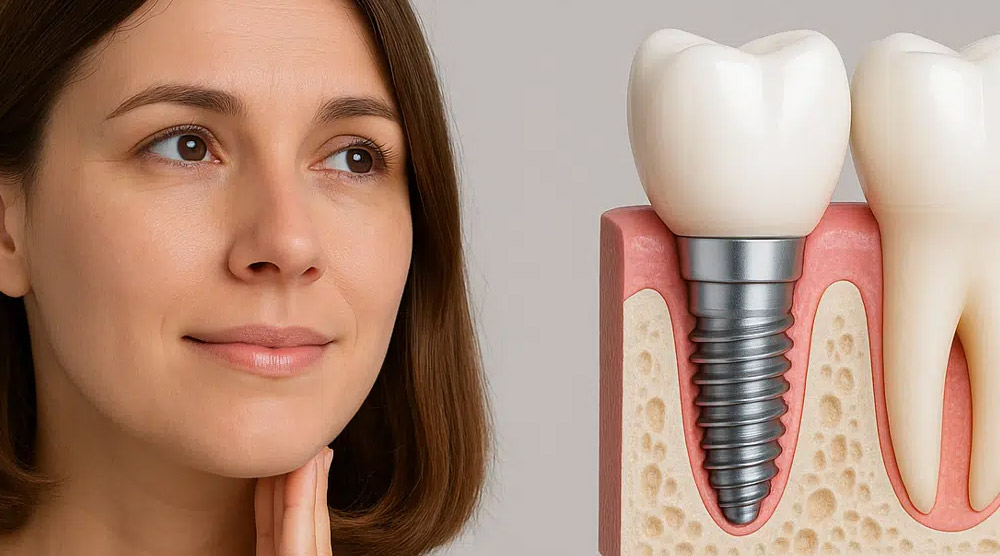
A crown, on the other hand, covers a much larger portion of the tooth and requires a different type of preparation.
For this reason, dental veneers and zirconium crowns in Turkey are not two different names for the same treatment.
A crown may be indicated when a tooth needs more extensive coverage for structural or restorative reasons.
A veneer is mainly used when the aim is to change the appearance of the visible tooth surface and the tooth is suitable for this type of treatment.
This difference should be clearly explained before any aesthetic treatment begins.
Do Teeth Need to Be Shaved for Veneers?
This is one of the most common questions.
The answer is: it depends on the type of veneer and the condition of the tooth.
For traditional porcelain veneers, a small amount of enamel is generally removed to create enough space for the material and allow the veneer to fit properly.
There are also minimal-prep or no-prep techniques that may require less reduction, but they are not suitable for everyone.
Even so-called no-prep veneers may still require some enamel modification in certain cases.
The aim should be to preserve as much natural tooth structure as possible while still achieving the planned result.
How Is Dental Veneer Treatment Performed?
The process can vary depending on the number of teeth and the material selected, but it generally includes several stages.
Initial Assessment
Before discussing colour or shape, the condition of the teeth is examined.
The following are assessed:
dental health;
gum health;
alignment;
bite;
teeth to be treated;
possible bruxism;
aesthetic expectations.
This stage also helps determine whether veneers are truly the most suitable treatment.
Smile Design
When several front teeth are being treated, planning becomes especially important.
It is not simply a matter of choosing a whiter shade.
Shape, length, proportions, symmetry, gum position, and the relationship between the teeth and lips all need to be considered.
A natural result should be designed around the individual rather than repeating the same smile design for every patient.
Tooth Preparation
When necessary, a controlled amount of enamel is removed from the front surface.
The amount depends on the original tooth shape and the planned restoration.
After preparation, the tooth shape is recorded using either an impression or digital scan.
Veneer Fabrication
The information collected is used to create custom veneers.
Shape, size, and shade are determined according to the treatment plan.
Before final bonding, fit, colour, and the relationship between the teeth are checked.
Final Placement
Once the result has been approved, the veneers are bonded to the tooth surface using specific adhesive systems.
After placement, the bite is also checked to make sure the teeth contact correctly.
How Many Dental Veneers Are Needed?
There is no standard number.
Packages of 8, 10, 16, or 20 teeth are often seen online, but the correct number should depend on the individual smile.
Some people show mainly their front teeth when they smile.
Others show premolars and a larger part of the dental arch.
It is also important to consider which teeth actually need treatment.
Placing a veneer on a healthy tooth simply to reach a predefined number should not be the goal of treatment planning.
Can Dental Veneers Close Gaps Between Teeth?
In certain cases, veneers can be used to close small gaps between teeth.
However, this depends on the size of the gap and the proportions of the teeth.
Closing a very large gap simply by making the teeth excessively wide could create an unnatural result.
For this reason, tooth shape and proportions need to be assessed before treatment.
Can Veneers Correct Crooked Teeth?
Veneers can mask some mild irregularities.
However, they are not a universal replacement for orthodontic treatment.
When the position of the teeth is significantly altered, changing only the surface may require more aggressive preparation or create unnatural proportions.
In these cases, orthodontic treatment may be worth considering first.
Can Dental Veneers Make Teeth Whiter?
Yes, colour is one of the aspects that can be changed.
However, choosing a colour does not necessarily mean selecting the whitest available shade.
A natural smile includes variations in shade, translucency, and colour across different areas of the tooth.
When only a limited number of teeth are treated, it is especially important for the veneers to blend with the surrounding natural teeth.
How Long Do Dental Veneers Last?
The lifespan varies depending on the material, treatment quality, bite, and the patient’s habits.
Porcelain veneers are generally considered long-lasting restorations. They are often described as lasting around 10–15 years with proper maintenance, although the actual lifespan varies from person to person.
This does not mean they need to be replaced automatically after a specific number of years.
Some may last longer, while others may require earlier repair or replacement.
Are Dental Veneers Permanent?
When enamel is removed for traditional veneers, the treatment should be considered essentially irreversible.
Removed enamel does not grow back.
This is one of the reasons why the decision should be made carefully, especially when healthy teeth are being treated.
Minimal-prep techniques may involve less preparation, but they do not automatically eliminate this factor.
Do Dental Veneers Damage the Teeth?
A properly planned veneer does not automatically “damage” the tooth.
However, the preparation does modify the natural tooth surface, so it requires responsible assessment.
Even after veneers are placed, the underlying tooth still needs to remain healthy.
Dental problems can still develop around or underneath a restoration if oral hygiene is poor.
For this reason, veneers do not eliminate the need for brushing, interdental cleaning, and regular dental check-ups.
How Should Dental Veneers Be Cared For?
Daily care is similar to that of natural teeth.
It is important to brush regularly, clean between the teeth, and attend routine check-ups.
You should also avoid using your teeth to open packages or bite directly on very hard objects.
Anyone with bruxism should mention this during the assessment because a protective night guard may be recommended.
Do Dental Veneers Stain?
Ceramic veneers generally have good stain resistance compared with natural enamel.
However, this does not mean that the overall appearance of the smile will remain unchanged forever.
Natural teeth around the veneers may change colour, and surface deposits can still build up near the gum line.
This is another reason why regular professional cleaning remains important.
How Much Do Dental Veneers Cost in Turkey?
The cost of dental veneers in Turkey varies according to several factors.
These include:
number of teeth;
material used;
type of veneer;
need for preliminary treatment;
complexity of the design;
dental laboratory work.
For this reason, a price published online for a single veneer does not automatically tell you the final treatment cost.
A quotation should clearly specify the number of teeth to be treated, the material used, and any additional procedures required.
Why Can Dental Veneers Cost Less in Turkey?
Dental treatment costs are also influenced by the operating costs of the country, laboratory fees, staff, and clinic expenses.
For this reason, the same general type of treatment can have different prices in Istanbul compared with cities in Western Europe.
This can be one of the reasons why some patients consider treatment in Turkey.
However, the price difference should always be evaluated together with the treatment plan rather than on its own.
How Long Do You Need to Stay in Turkey for Veneers?
The duration depends on the number of veneers and any procedures that may be needed before treatment.
When veneers are made in a laboratory, several stages are generally required: preparation, scanning or impressions, trial fitting, and final placement.
If cavities, gum problems, or other dental issues are discovered during the assessment, the treatment may take longer.
For an international patient, it is therefore better to define the stay after an initial assessment rather than organising the entire trip based only on the minimum number of days advertised online.
Dental Veneers in Istanbul: What Should You Consider Before Travelling?
Before travelling, it is useful to have an initial understanding of the proposed treatment.
Recent photographs and X-rays may help with the first assessment, but the final plan should be confirmed after the clinical examination.
It is useful to know in advance:
how many teeth may be treated;
which material is proposed;
whether enamel preparation is expected;
how many appointments will be needed;
the approximate length of stay;
how follow-up care will be managed.
Having this information allows the trip to be organised more carefully.
Dental Veneers in Turkey or in Your Home Country?
The choice depends on individual priorities.
Having treatment closer to home may make follow-up appointments and future check-ups easier.
Turkey may be considered by patients who want to compare treatment costs or complete several dental procedures during one stay in Istanbul.
There is no single choice that is best for everyone.
The important thing is to compare equivalent treatments and understand exactly what will be done to the natural teeth.
Frequently Asked Questions About Dental Veneers in Turkey
What Are Dental Veneers?
They are thin, customised coverings applied mainly to the front surface of the teeth to change aesthetic features such as colour, shape, and proportions.
Do Teeth Need to Be Shaved for Veneers?
In many cases, a small amount of enamel is removed. The level of preparation depends on the type of veneer and the individual situation. Reduced-preparation techniques exist, but they are not automatically suitable for everyone.
Are Veneers and Crowns the Same Thing?
No. A veneer mainly covers the front surface of the tooth, while a crown covers a much larger portion of the tooth structure.
How Long Do Dental Veneers Last?
Their lifespan depends on the material, bite, and maintenance. Porcelain veneers are often described as lasting around 10–15 years, but the actual lifespan may be shorter or longer.
Can Veneers Fall Off?
A veneer can occasionally become detached or damaged, although this is not the usual situation. If this happens, it should be assessed to determine whether it can be rebonded, repaired, or replaced.
Can I Have Veneers If I Grind My Teeth?
Bruxism should be assessed before treatment because it can increase the forces placed on the restorations. In some cases, a protective night guard may be recommended.
How Many Veneers Are Needed to Change a Smile?
There is no standard number. It depends on how many teeth are visible when smiling, their condition, and the aesthetic goal.
Can Veneers Be Very White?
Different shades can be selected, but the decision should also consider the face, surrounding natural teeth, and the desired overall result.
How Much Do Dental Veneers Cost in Turkey?
The price varies according to the material, number of veneers, and any additional treatments required. For this reason, it is better to obtain a personalised treatment plan rather than relying only on a price per tooth.
Can I Receive an Assessment Before Travelling to Istanbul?
Photographs and X-rays can be useful for an initial assessment. However, the final plan should still be confirmed after a clinical examination.
Dental veneers in Turkey can be an option for people who want to change the colour, shape, or proportions of their teeth and are considering dental treatment in Istanbul. However, the decision should always begin with preserving the natural teeth and choosing the treatment that is genuinely necessary. Understanding the difference between veneers, crowns, and other treatment options before travelling helps patients approach the process with more realistic expectations and evaluate the proposed treatment plan more carefully.